Beef Stew Why Is Beef Dry
Mistakes Everyone Makes When Cooking Beef Stew
Shutterstock
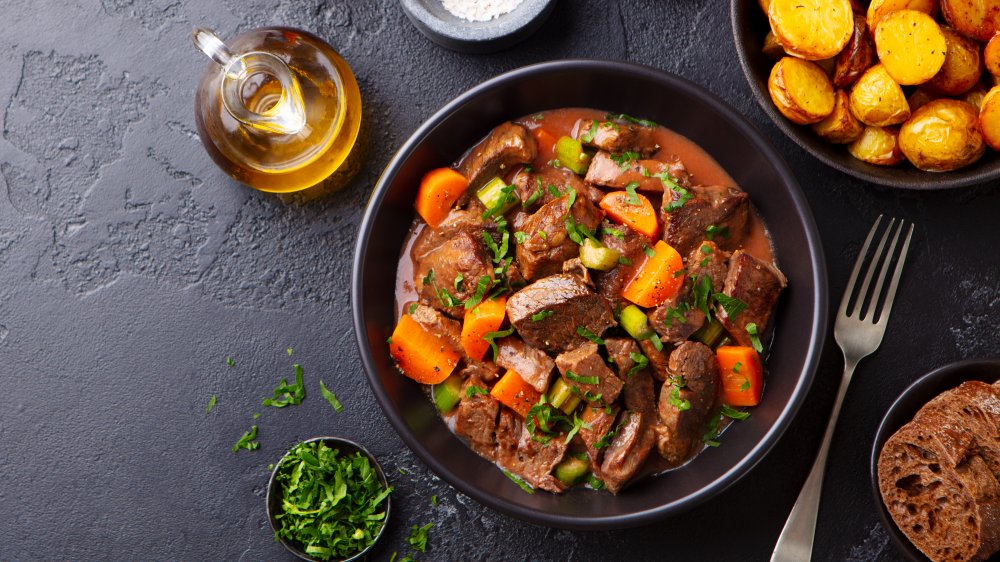
There are some condolement foods that are then ubiquitous, most of us don't even give a 2nd idea to the finer details of how they're fabricated. Nosotros're talking nearly those staples similar chicken pot pie, baked ham, and spaghetti and meatballs that we've made a one thousand thousand times and never really questioned. Just what if it turned out that there are some mistakes you've been making with one of your favorite comfort food dishes for years? When it comes to beef stew, in that location are actually a lot of picayune details you need to pay attending to if you want your dish to exist a hit, not a disappointment.
If you're not paying attention, your stew can come out a mess: tough meat, bland broth, a gloppy texture, vegetables that accept been cooked until they're total mush. Luckily, rectifying these mistakes doesn't accept a lot of work. You can churn out tureens of stew that are worthy of serving visitor by making a few tweaks to your standard recipe. Major things to pay attention to? The cut of meat yous use, the consistency of your goop, and the types of seasonings you include in the mix, for starters.
Read nearly some of the mutual mistakes you're probably making with your beef stew, and the next time yous make it, your gustation buds will cheers.
You use the wrong cut of meat for beef stew
Shutterstock
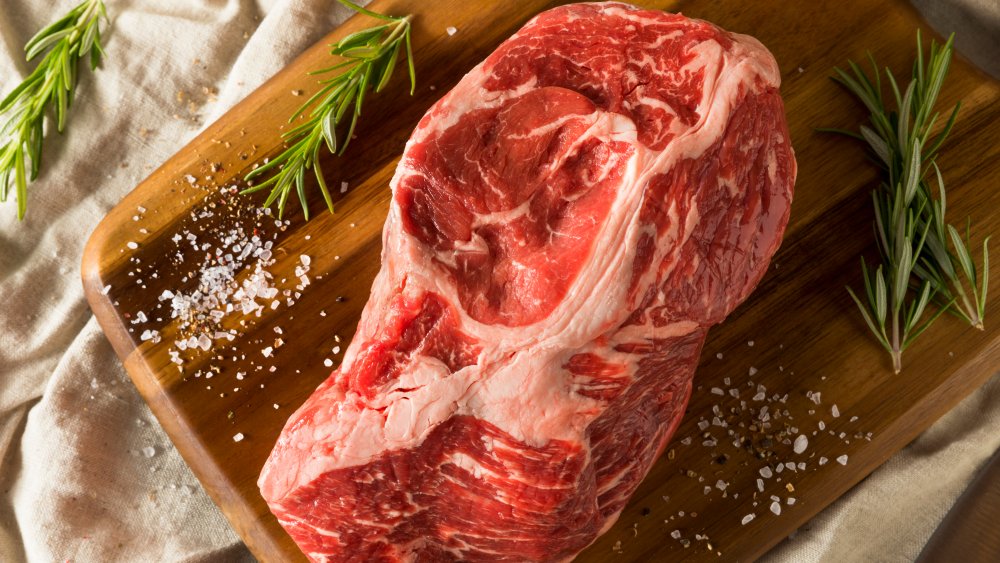
While a well-marbled ribeye steak or a luxurious filet mignon might catch your eye at the supermarket, if yous're making beef stew, you should laissez passer these prized cuts correct on by. That's considering those tender steaks would be wasted by a tedious braise or simmer. Filet mignon is besides lean and tender to benefit from wearisome cooking, and if you endeavour to braise a rib eye, all of that luscious fat will render right out of it, leaving you with shriveled up pieces of dry beef you'll want to pick out of your basin.
Instead, you should look for a heartier, tougher cut of beef. You want meat that has a lot of collagen-rich connective tissue, which will pause down over the low and tiresome cooking catamenia, leading to chunks of beef that are unctuous, tender, and flavorful, not dry and tough.
Plow to cuts similar chuck roast (the front shoulder) or a round roast (from the rear). Both of these meats are tough and chewy if yous cook them up quickly, merely cook them slowly and the collagen and fatty within melts and tenderizes the protein, while also calculation lots of flavor and torso to the goop of your stew. An added benefit? These cuts are ordinarily much cheaper per pound than the fancier steaks on the marketplace.
You cook your veggies for too long for beef stew
Shutterstock
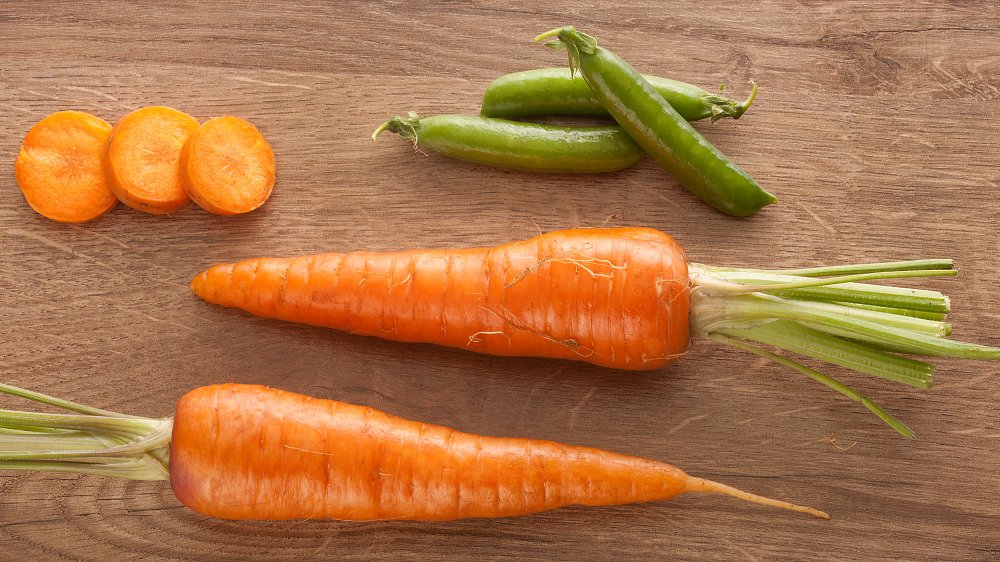
Many of united states plow to beef stew when nosotros want to brand an piece of cake, low-stress meal that tin can be made in ane pot, but y'all shouldn't be besides cavalier about how you lot gather your stew. At that place'due south a lot more that goes into a proper beef stew than simply meat and goop. You need to add vegetables. They add a residuum of season, from earthy potatoes to sweet carrots and fragrant onions, and they also aid add trunk to the goop of your stew. But you can't just throw them in the pot and assume everything will cook up perfectly.
That'due south because the meat you use in your beefiness stew needs to cook for a lot longer than your vegetables before they become tender. If you lot add together the veggies at the same time as the meat, past the fourth dimension the beef is ready your carrots and potatoes will have turned to mush — we don't fifty-fifty want to think about the state of the peas.
Instead, you lot should gear up the meat for your stew and start the braising process. Then, about 45 minutes before the meat is done cooking, add your chopped veggies to the pot. This will give them just enough fourth dimension to cook through until tender, without turning them into a pile of mush.
You don't sear your beefiness stew meat
Shutterstock
It'due south definitely tempting to throw all of your beef stew ingredients into the pot all at in one case and to start cooking right abroad — and many recipes tell y'all to do just that (we're looking at y'all, slow cooker recipes). Only if yous simply ready and forget your stew, you lot're missing out on a lot of flavor.
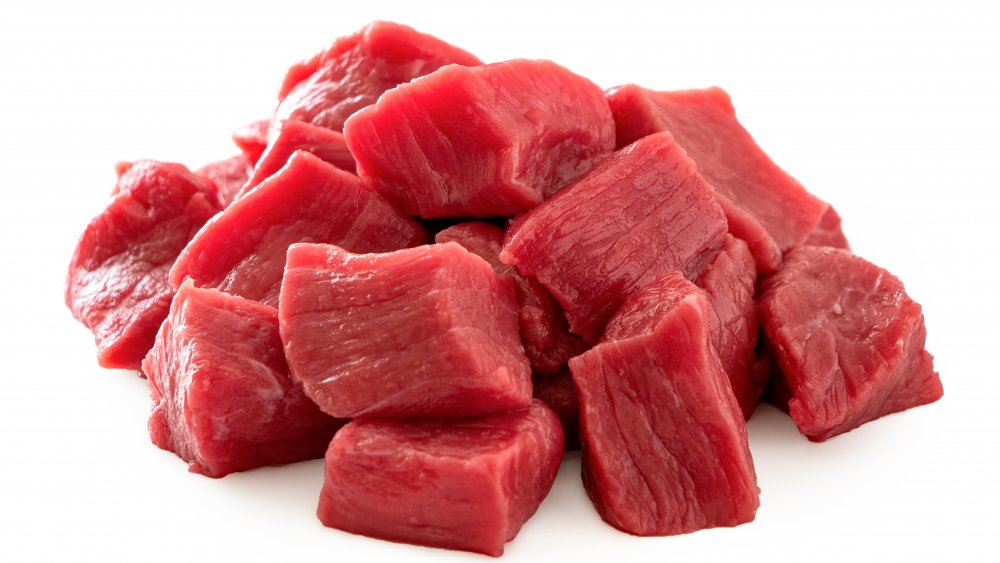
To add a depth of savory, meaty flavour to your beef stew, you should always sear your meat earlier you start the braising process.
If you're using a pan on the stove peak or using a dutch oven, you can dark-brown your beef right in the pot. Add the cubed, seasoned meat in batches to a pot over medium loftier rut (y'all don't want it to overcrowd, or information technology will steam instead of browning), letting it caramelize on the outside but not cooking information technology through. Remove the seared beef and repeat until all of information technology is finished.
The caramelization process adds extra depth of flavor to your stew, and the brown bits at the bottom of your pan can be scraped upward with a wooden spoon when you add together the broth, which volition infuse the liquid with even more rich flavor.
If you're using a slow cooker, information technology'due south all the same worth it to sear your meat before adding it to the pot — and don't forget to deglaze the pan you used to sear the beef, calculation the prized liquid to the boring cooker also before standing on.
You lot overcook your beefiness stew meat
Shutterstock
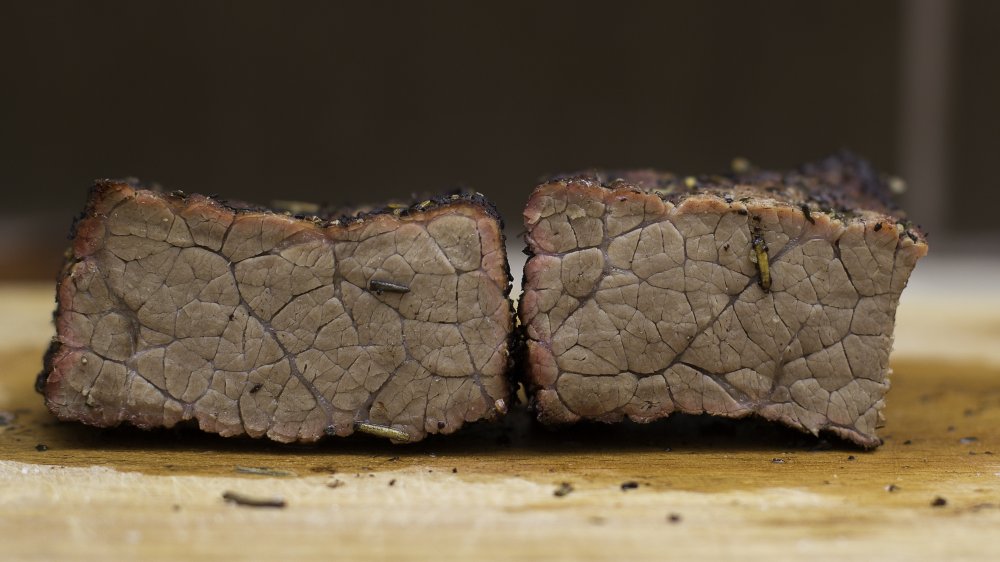
There'south something romantic well-nigh letting a stew simmer abroad on the stove acme all day, only if you really let it cook all day long, chances are yous'll wind up with tough, dry, stringy meat. At that place are actually a surprising number of means to overcook the meat in your beef stew.
The first is simply letting your stew go for too long. In some ways, this is a matter of preference — exercise you like your meat so tender information technology falls apart into stringy, individual muscle fibers when it's washed, or practice you lot like information technology tender plenty to cut with a spoon but without it falling apart into the goop? Definitely don't push your meat past the point of stringiness, though — it'southward a short jump from there to inedible, dry meat.
The 2nd way to overcook your meat is to cook information technology at too high of a temperature. If yous don't leave the beef simmering at a low and wearisome temperature, the proteins in the meat will seize upward and become tough, and the collagen and fat won't have time to break down, leaving you with a rubbery, inedible product. Instead, make sure yous're using low heat — you don't want your stew to ever come up to a rolling boil.
You undercook your beef stew meat
Shutterstock
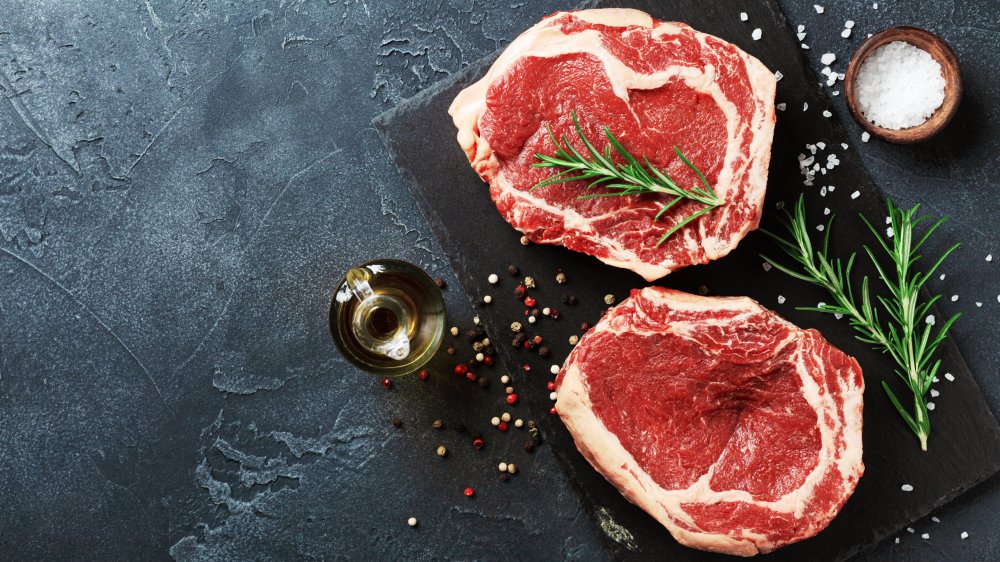
Stew meat is supposed to be silky and tender, not like a toothsome bite of steak you might cleave from a T-Bone that's directly off the grill. That means that, yep, yous demand to cook your meat to well done and beyond.
The key hither is using a depression and wearisome method of cooking. It's hard to be patient with the mouthwatering smell of your stew filling your habitation, merely waiting for the collagen, connective tissues, and fats to break down will outcome in beef stew with meltingly tender chunks of meat that yous don't demand a knife to cutting through — in fact, y'all'll know your meat is ready when it's finally tender plenty to cut with a spoon.
For those of u.s.a. who accept been told time and again that steaks should never exist cooked past medium, it can feel sacrilegious to intentionally cook beef well done. Only y'all have to keep in mind that it all depends on the type of meat you're cooking. Yes, a ribeye cooked until well done will be tough and chewy, considering all of the fat will run out of information technology. But a chuck roast just won't be tender until the collagen, gelatin, and connective tissues woven through the meat break down completely. Once they do, the musculus proteins are layered with unctuous, silky textures that keep everything moist and delicious.
You forget the aromatics for your beef stew
Shutterstock
A little extra time and effort can accept your beef stew from tasting similar something that could have come out of a can — bland — to something you could imagine serving company aslope a prissy bottle of red wine and some crusty bread.
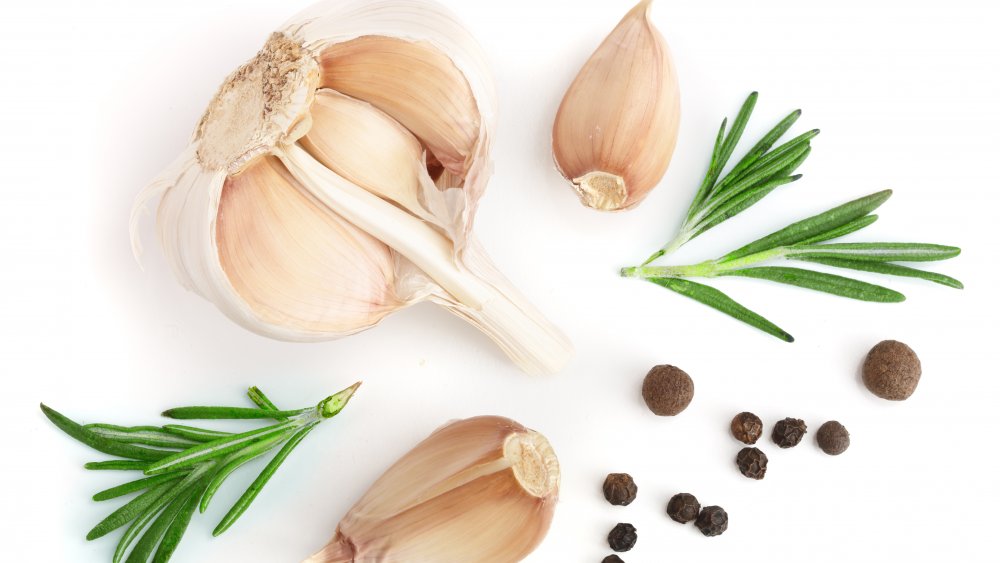
The hush-hush? You need to cook with plenty of aromatics, like onion, garlic, fresh herbs, and spices.
Sear your beef first. Then, saute onions, garlic, carrots, and celery in the beef fat, scraping the browned bits up from the bottom as you get. This will layer in the flavor before your stew fifty-fifty starts simmering.
When the veggies are somewhat softened, add your spices. This way, their flavors volition infuse the oil. You can get in several directions with the spices you use — garlic pulverisation, onion pulverisation, black pepper, smoked paprika, and stale bay leaf all work well, or you could accept things in another direction and add cumin, coriander, star anise, and cinnamon for a more Moroccan flair. The choice is upward to you, and you lot shouldn't exist afraid to experiment.
Finally, after adding your liquid and adding the meat back to the pot, you tin add sturdier fresh herbs, like fresh thyme, rosemary, or bay leaf, to the simmering stew to add farther flavor (simply make sure to remove the woody herb stems and whatsoever bay leaves from the pot before serving).
You use salty store bought stock (or plain water) for your beef stew
Shutterstock
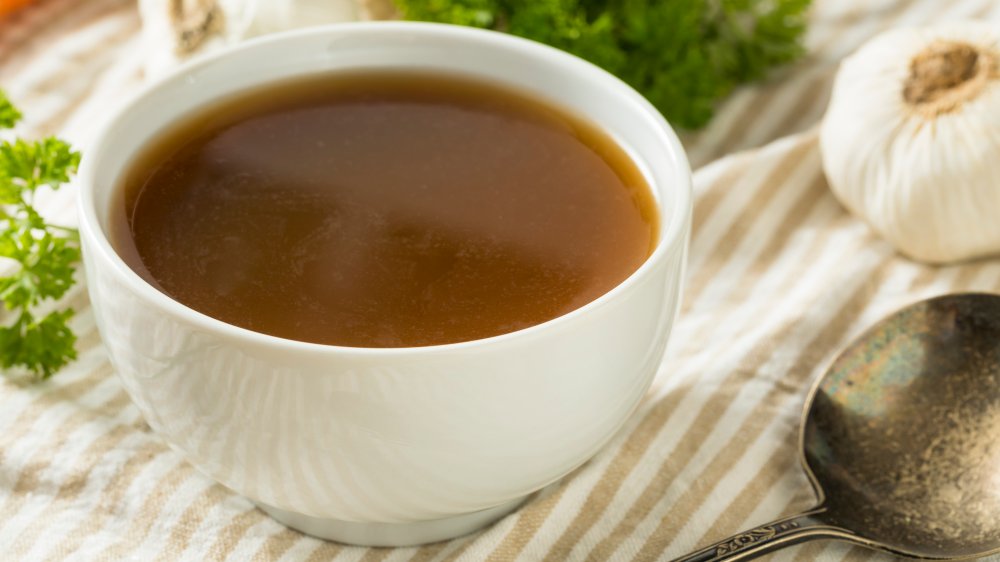
Different with a roast or a steak, where the flavor of your dish is concentrated on the surface of the meat, in a beef stew you need to focus on the liquid that all of the ingredients are being cooked in if you want to brand sure it's infused with flavour.
That being said, there are some things to look out for.
Store bought stock tin be overly salty. If you're already salting the rest of the ingredients as you set up them, calculation a store bought stock can make the dish a little too salty. This is especially true if y'all plan on reducing your stew to thicken the goop. As the h2o evaporates out of the stew, the salty flavor will become concentrated. If you want to use a shop bought stock, await for "low sodium" or "unsalted" varieties, and so you can adjust the seasoning to taste instead of having to rely on any's in the can or carton.
You besides shouldn't utilize manifestly water to make your beef stew. Yes, the meat and veggies will exist able to impart some flavor in the liquid, only it still won't reach its flavour potential.
If y'all need a substitute for beefiness stock, fifty-fifty swapping information technology for chicken, veggie, or mushroom stock is better than aught. You lot tin besides use plain water with bouillon cubes, paste, or powder added, though once more, you'll need to watch out for the table salt level.
You don't check for seasoning before serving your beefiness stew
Shutterstock
You added a bunch of spices and aromatics to your stew pot, along with flavorful liquids and your seared beef. So it'll probably come out of the pot tasting perfect, correct? Unfortunately, that's not always the instance.
Even if you think y'all've packed your stew with flavor, it's important to taste it once the beef is washed cooking, before you've ladled it into bowls and rang the dinner bell. That's because your stew might need some adjustments.
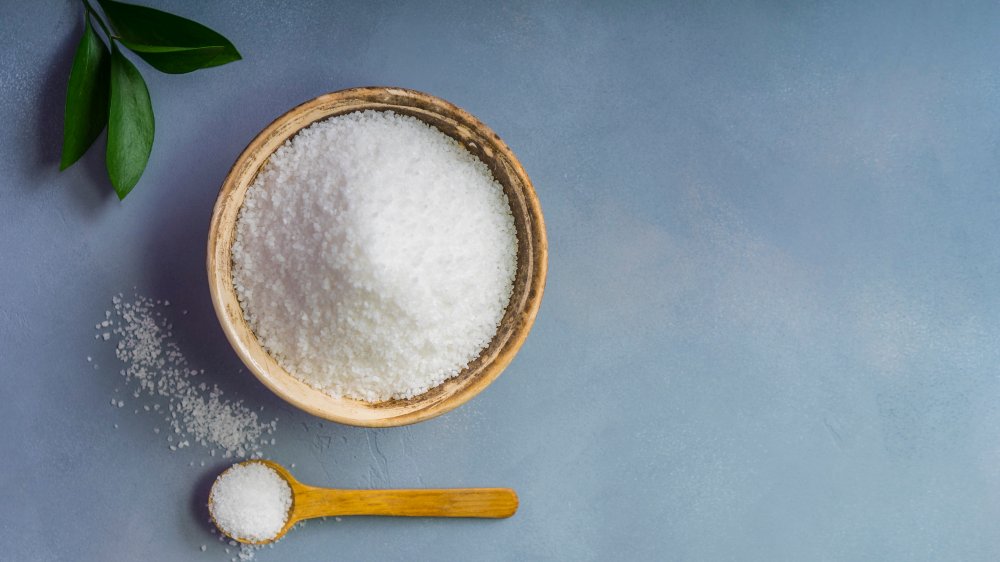
One of the near common things yous'll need to change about your stew is the salt content. If yous've proceeded with caution, using a modest hand with the salt and adding depression-sodium stock or broth, then there'southward a take chances you'll demand to add more salt before serving.
If it's most salty enough but missing a bit of a depth of flavor, a few drops of soy sauce, Gravy Chief, Maggi, or Worcestershire sauce might be the secret ingredient needed to set your stew over the border. Sometimes, your stew might fifty-fifty call for a pinch of chocolate-brown saccharide, the slight sweet adding a hint of caramelized flavor if yous didn't brown your meat or onions enough before stewing, or if information technology'due south already salty plenty and needs something to balance information technology out.
It's an like shooting fish in a barrel stride to skip if you've been smelling stew all 24-hour interval and are ravenous, just adjusting the seasoning before you serve could save you and your taste buds from regret.
You thicken your beef stew too much
Shutterstock
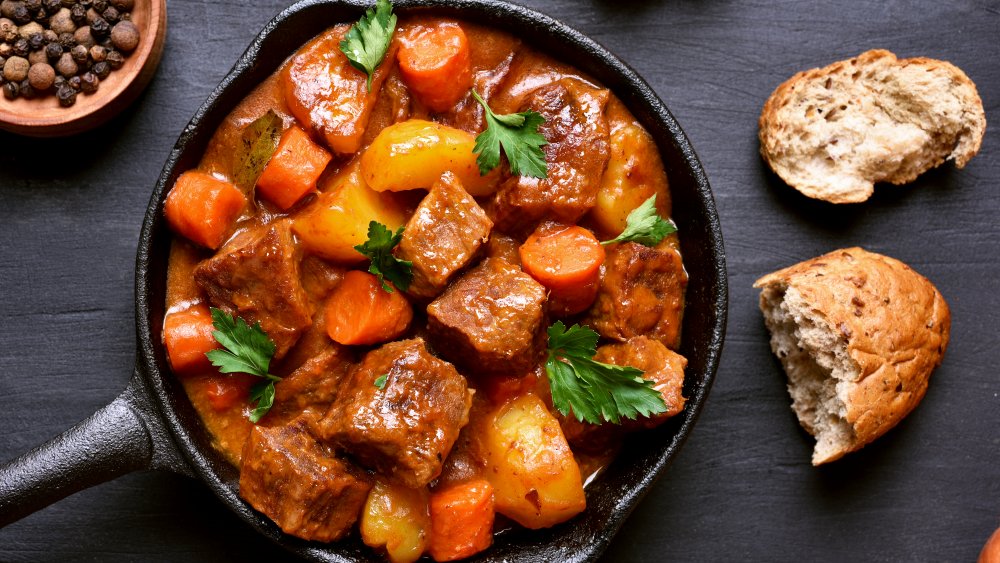
When nosotros call back of a perfect beefiness stew, we imagine succulent bites of meat, slightly sweet, tender vegetables, and a rich, silky broth property everything together.
You want a velvety, slightly thickened goop that has a lip-smacking viscosity, not one that turns to a thick paste once information technology starts to become cold.
Some recipes advise using flour, a cornstarch slurry, a roux, or a beurre manie to give your stew's broth some heft, just those starchy solutions tin can lead to trouble. Your beef stew shouldn't be thick and gloppy similar a can of dog food when it's done cooking, and using a heavy mitt with those shortcut thickening methods can practice but that. They can too dull the flavor of your broth, obscuring the achieve, meaty umami you worked so difficult to develop with a palate-coating blandness.
Your stew broth should naturally thicken while cooking, thanks to the release of starch from the potatoes in your stew, and also from the collagen that cooks out of the meat, adding torso to the liquid.
If you really want to thicken up your broth, you can try dusting your beef in flour at the very kickoff of the cooking process, earlier you sear it, or you can merely let your stew simmer without the lid on for a flake and then the liquid has a adventure to reduce. Both of these options can help add torso to your stew without sacrificing flavour or texture.
Yous don't skim the fat from your beef stew
Shutterstock
Choosing a well-marbled cutting of meat ways that your stew will accept a luxurious, rich texture, thanks to the collagen, gelatin, and beef fat that renders out as your stew cooks at a low and slow temperature. Merely it tin can also mean that when your stew is done cooking, there's a thick sheen of fat floating on summit, which is non exactly appetizing.
That extra fat tin coat your palate when you take your first spoonful of stew, dulling the flavors that yous worked so hard to develop.
That'due south why, one time your stew is cooked, you should utilise a spoon to skim off the fatty that's floating on peak of the goop. You lot can also trim off any large pieces of fat that are on your stew beef before you sear and cook information technology, then that it never ends up swamping your stew in the commencement place.
If you want to make the process even easier, you can pop your stew in the refrigerator. The fatty will rise to the top and congeal. And then, y'all tin scrape the business firm layer of fat from the pinnacle of your pot. When y'all reheat the stew, that actress fat volition exist gone, letting the meaty richness of the goop polish through.
Yous don't add acid to your beef stew
Shutterstock
In that location's one thing that a lot of condolement foods have in common: they're heavy. Rich meats, thick broths and gravies, sides of breadstuff, rolls, and biscuits — they can weigh down your palate.
The solution? Yous need to add a picayune acid to your dish.
This is truthful even with beef stew. You might initially shudder at the idea of calculation a sour, tangy element to your stew, but if you use a discerning mitt, the effect is subtle and highlights the other flavors in your pot.
There are a few different ways you can add acid to your beefiness stew. Add diced tomatoes, tomato paste, or some red wine into the pot at the beginning of cooking. As the stew simmers the harsh acidity will be toned down, until you're left with only a kicking at the cease of cooking, which will liven upwardly the flavour and add some brightness to the dish.
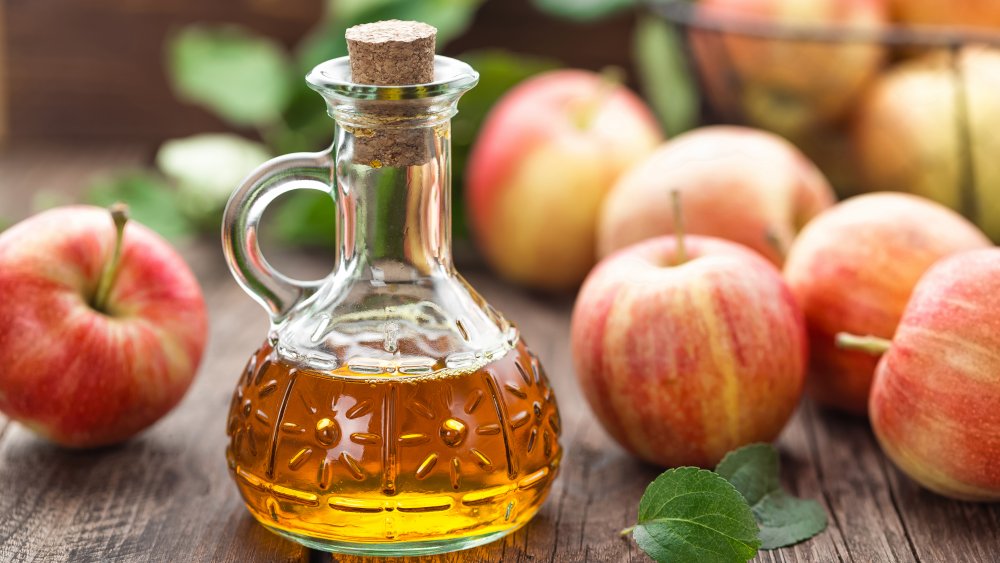
Alternatively, you can add a splash of vinegar at the end of cooking if you sense of taste your stew and realize information technology still needs that little extra something. A splash of apple tree cider vinegar tin add acid without changing the flavour of your stew too much, just if you call back your goop could apply a little sweetness, you can try balsamic vinegar as well. Just steer clear of plain white vinegar — you lot don't want to overwhelm the rest of the flavors in your stew with a vinegar flavor that's as well harsh.
Source: https://www.mashed.com/209508/mistakes-everyone-makes-when-cooking-beef-stew/#:~:text=You%20overcook%20your%20beef%20stew%20meat&text=There's%20something%20romantic%20about%20letting,tough%2C%20dry%2C%20stringy%20meat.
0 Response to "Beef Stew Why Is Beef Dry"
Post a Comment